Skip to Main Content Skip to Footer

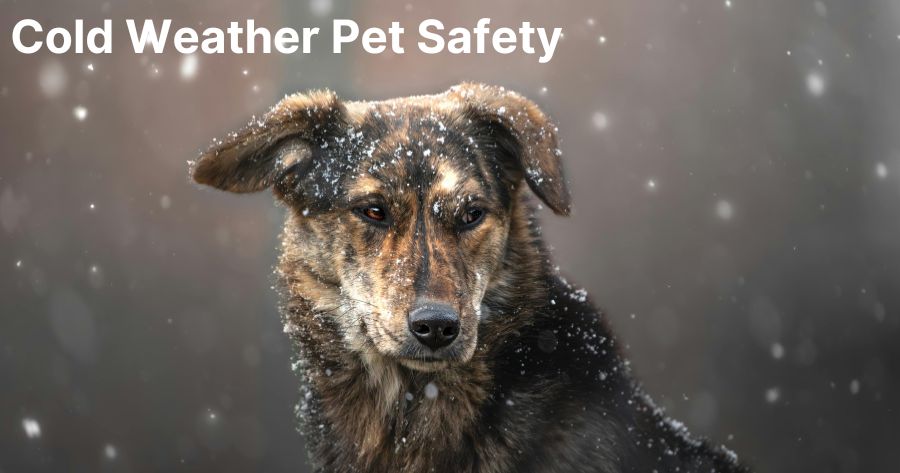
Cold Weather Pet Safety

Cold Weather Pet Safety

Protecting Your Pet Through the Winter Months 

As temperatures fall and snow becomes part of our daily routine, it’s important to remember that our pets feel the cold just as we do. While some breeds are built for chilly weather, most cats and dogs rely on us to help them stay warm, healthy, and comfortable throughout the winter. 

Here’s what every pet parent should know about keeping their furry family members safe during the coldest months of the year. 

Understanding How Pets Handle the Cold 

Every pet’s tolerance to cold is different. 

  • Size and body condition: Smaller and leaner pets lose heat faster than large or well-insulated breeds. 
  • Coat type: Short-haired pets, seniors, and those with health conditions such as hypothyroidism or arthritis are more sensitive to the cold. 
  • Age: Puppies and senior pets struggle to regulate body temperature effectively. 

When in doubt, err on the side of caution — if it’s too cold for you, it’s too cold for your pet. 

Outdoor Safety: Shelter and Temperature Limits 

Even outdoor-loving pets need protection. 

  • Limit exposure: When temperatures fall below 32°F, reduce time outdoors to short walks or play breaks. 
  • Provide proper shelter: Outdoor structures should be dry, insulated, windproof, and large enough for your pet to stand and turn around, but small enough to retain body heat. 
  • Bedding: Use straw or insulated mats rather than blankets, which can absorb moisture and freeze. 
  • Access to water: Keep bowls filled with fresh, unfrozen water. 

Paw and Skin Protection 

Snow, ice, and de-icing chemicals are common irritants during Midwest winters. 

  • Before walks: Apply a protective paw balm or use booties. 
  • After walks: Rinse and dry paws thoroughly, paying attention to the spaces between toes. 
  • Inspect paws and skin regularly: Check for cracking, redness, or bleeding as early care prevents infection. 
  • Avoid salt exposure: When possible, use pet-safe ice melts around your home. 
  • Prevent dry skin: Dry indoor air and frequent temperature changes can lead to itchy or flaky skin. Consider using a humidifier and ask your veterinarian about omega-3 supplements for coat health. 

Winter Hazards Around the Home 

Cold weather brings additional dangers that are easy to overlook: 

  • Antifreeze: Just a few drops can be fatal if ingested. Store it securely and clean spills immediately. 
  • Car engines: Cats and small wildlife often seek warmth under car hoods. Knock on your hood or honk before starting the engine. 
  • Frozen lakes or ponds: Never allow pets to roam on frozen bodies of water. Ice can appear solid but be dangerously thin. 

Adjusting Exercise and Nutrition 

Many pets become less active in winter, so maintaining a healthy weight is key. 

  • Exercise indoors: Try short training sessions, puzzle toys, or indoor fetch to stay active. 
  • Monitor calories: Some pets may need fewer calories in the colder months; others (especially working or outdoor dogs) may need more. Ask your veterinarian for guidance based on your pet’s age, weight, and lifestyle. 
  • Hydration: Even in winter, pets need plenty of water — dehydration increases the risk of dry skin and urinary issues. 

When to Call Your Veterinarian 

Contact your veterinarian if your pet shows any of the following during cold weather: 

  • Shivering, whining, or reluctance to move outdoors 
  • Lethargy, weakness, or uncoordinated movement 
  • Pale or gray skin (possible frostbite) 
  • Signs of joint pain, dry skin, or persistent paw irritation 

Early intervention can prevent serious health issues like hypothermia and frostbite. 

Keep Winter Safe for the Pets You Love 

Winter can be a wonderful season for pets and people alike—full of cozy naps, snowy walks, and warm companionship. With a few precautions, your pets can enjoy it safely by your side. 

If you have questions about cold weather care or your pet’s health this winter, contact us at (402) 520-7492. Our veterinarians can help with tailored advice, wellness visits, and cold-weather care recommendations to keep your pets healthy all season long. 

Related Articles

You might also like