First Aid for Pets | Pet Emergencies in Omaha Skip to Main Content Skip to Footer

First Aid for Pets

First Aid for Pets

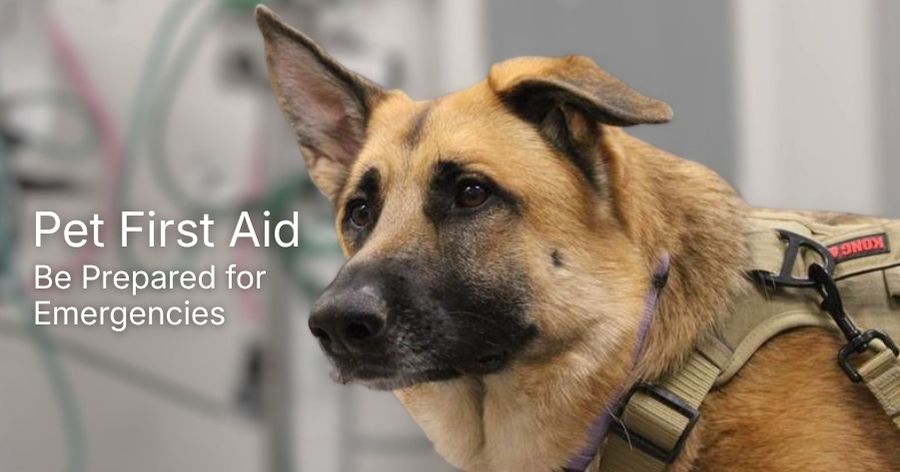
In a pet emergency, knowing how to respond can make a meaningful difference in your pet’s safety and recovery. While first aid is not a substitute for veterinary care, these initial steps can help stabilize your pet until they can be seen by a veterinary professional. 

What to Do in a Pet Emergency

  • Stay Calm and Assess the Situation: Pets are highly responsive to human emotions. Remaining calm helps reduce their stress and allows you to think clearly. 
  • Check for Immediate Danger: Ensure the environment is safe for both you and your pet. Remove hazards such as traffic, poisonous foods, or sharp objects 
  • Handle with Care: Even well-trained pets may react defensively when injured or frightened. Approach slowly, use a calm voice, and avoid sudden movements. 
  • Control Bleeding: Apply gentle, steady pressure using a clean cloth or gauze to help slow or stop bleeding. 
  • Keep Your Pet Stable and Comfortable: Minimize movement and keep your pet warm and as relaxed as possible while preparing for transport to your veterinarian. 

Build a Pet First Aid Kit 

Preparation is key during any emergency. Keeping a well-stocked pet first aid kit readily available allows you to respond quickly and appropriately when every moment counts. Consider storing a kit at home and a smaller version in your vehicle or travel bag. 

Recommended Pet First Aid Kit Supplies: 

  • Gauze Pads, Bandages, and Adhesive Tape: used to cover wounds, control bleeding, and protect injuries from contamination. 
  • Antiseptic Wipes: to help clean minor wounds and reduce the risk of infection. 
  • Tweezers: useful for removing splinters, ticks, or small foreign objects. 
  • Digital Thermometer: allows you to monitor your pet’s temperature, which can provide important information in an emergency. 
  • Saline Solution: ideal for flushing wounds or rinsing debris from eyes. 
  • Disposable Gloves: helps maintain cleanliness and reduce the spread of bacteria. 
  • Blanket or Towel: provides warmth, comfort, and can assist with safe handling or transport. 

Know When to Seek Veterinary Care 

First aid is only the first step. Prompt veterinary evaluation is critical, especially if your pet shows any of the following signs: 

  • Difficulty breathing 
  • Unconsciousness or unresponsiveness 
  • Repeated vomiting or diarrhea 
  • Known or suspected toxin exposure 
  • Signs of severe pain or distress 

*If you are ever unsure, contact your veterinarian immediately for guidance. 

We’re Here When You Need Us 

At OVG Urgent Care, we understand how stressful emergencies can be. As a member of Omaha Vets Group, we belong to a network of experienced veterinarians and support staff that are here to provide timely, compassionate care when your pet needs it most. 

With multiple locations offering urgent and emergency services, our network is committed to being a reliable resource for your pet’s health and well-being. If your pet is experiencing an emergency, please call (402) 704-7304 and a client care specialist can direct you to a network hospital that is available to care for your pet immediately. For weekend care, call us at (402) 520-7492.

Pet First Aid Awareness is about preparation and partnership. With the right knowledge and a trusted veterinary team, you can help protect your pet’s health every day. 

Related Articles

You might also like